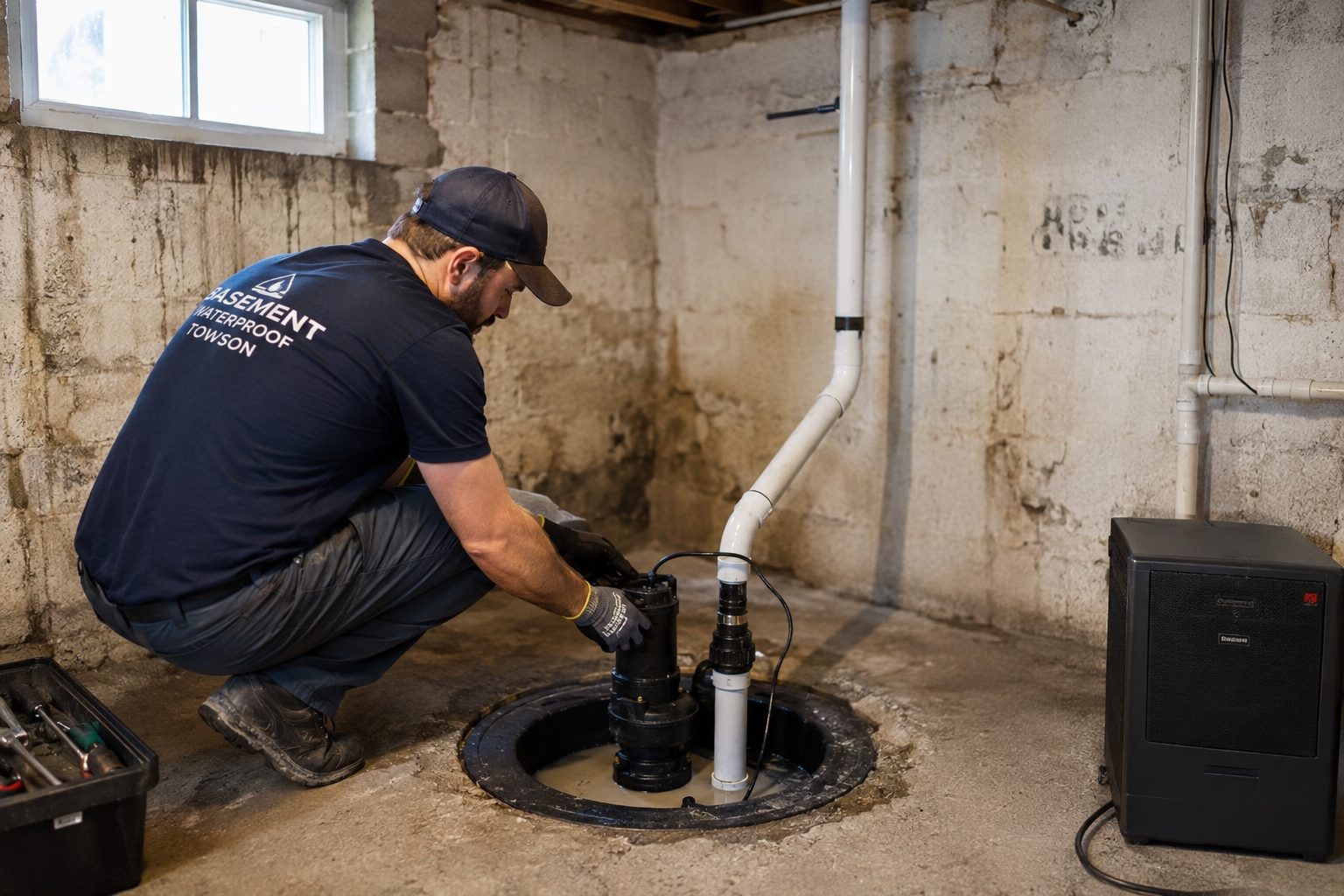
Give basement water somewhere safe to go
Sump Pump Installation in Towson
Replace an unreliable pump or add sump protection to your drainage system.
- Free, no-obligation estimates
- Local Baltimore-area team
- We find the source, not just the stain
Give basement water somewhere safe to go
Replace an unreliable pump or add sump protection to your drainage system.
A sump pump can be one of the most important pieces of a basement waterproofing system, but installing a pump without understanding how water reaches the pit can limit its effectiveness. The pit location, drainage connections, pump capacity, check valve, discharge route, and power reliability all affect how the system performs when groundwater rises or a heavy storm arrives.
Basement Waterproofing Towson installs sump pumps as part of new water-control systems and replaces aging or unreliable equipment in existing setups. We evaluate how the current system collects water, whether the pit is appropriately configured, where discharge water goes, and whether the pump appears suited to the volume it needs to handle. If your pump runs constantly, makes unusual noises, fails to activate, or is simply old enough that you no longer trust it, we can help you plan a replacement.
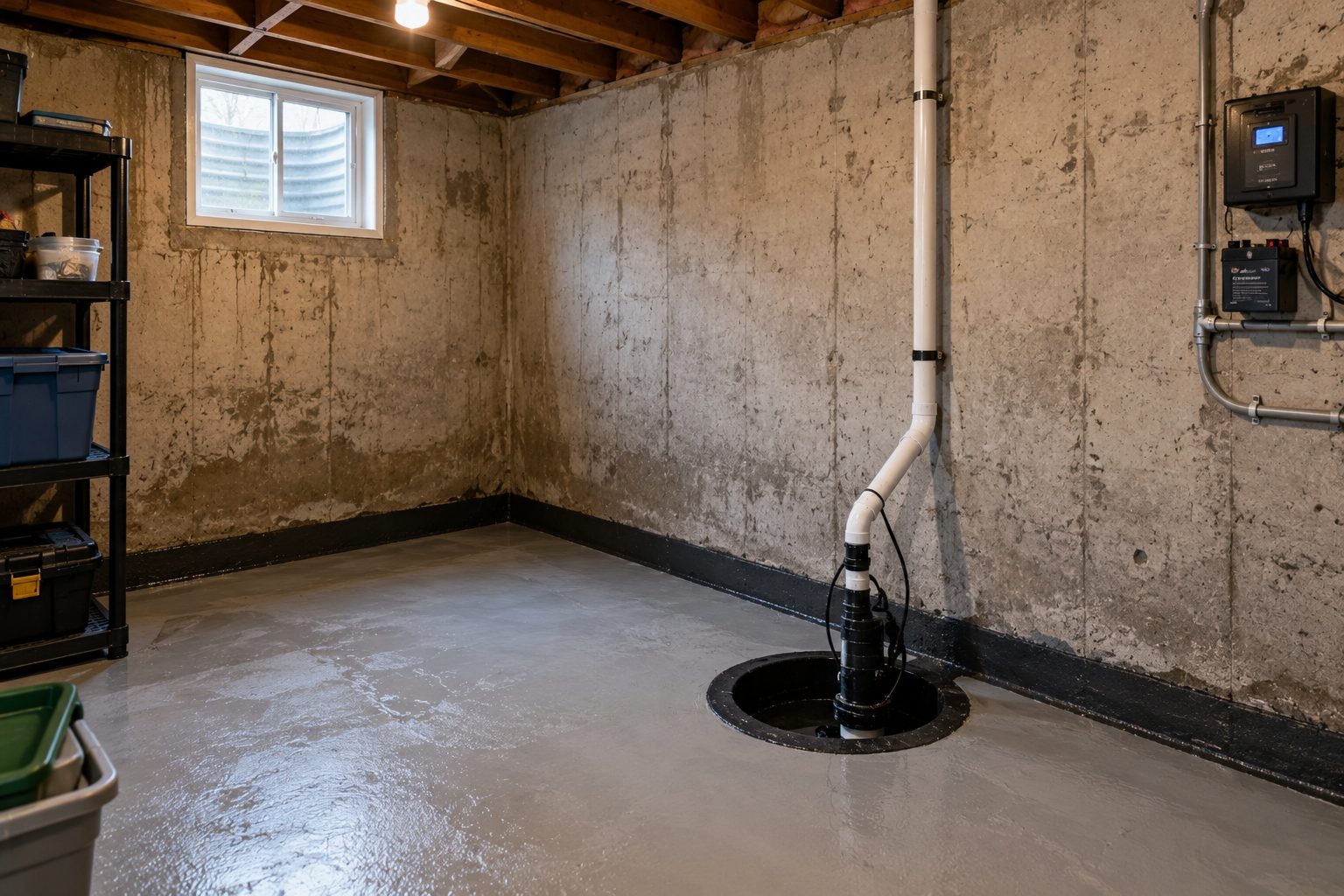
Sump systems are intended to collect water at a low point and move it away before the water reaches the basement floor. Reliability depends on more than horsepower. The pump must work with the drainage feeding the basin, and the discharge line must carry water to a suitable location without immediately sending it back toward the foundation. We review these pieces together so the new pump functions as part of a complete drainage path rather than as an isolated appliance.
A primary pump is selected based on basin conditions, expected water volume, lift, discharge routing, and the needs of the drainage system it serves.
Homes without an existing sump may need a basin installed at an appropriate low point and connected to the basement or crawl space drainage system.
Aging pumps can lose reliability before they fail completely. We evaluate existing equipment and replace worn or undersized units when appropriate.
Proper discharge components help prevent pumped water from flowing backward into the pit and help route water away from the foundation.
Power outages often occur during the same storms that create heavy groundwater. We can discuss backup considerations and how they fit the overall level of protection you want.
| Service | Estimated Cost | Average |
|---|---|---|
| Basic sump pump replacement | $700-$1,800 | $1,200 |
| New pump and basin installation | $1,500-$4,000 | $2,500 |
| Sump system with drainage connections | $3,500-$10,000 | $6,000 |
Planning ranges depend on pump type, basin work, drainage connections, concrete cutting, electrical availability, discharge length, access, and backup equipment.
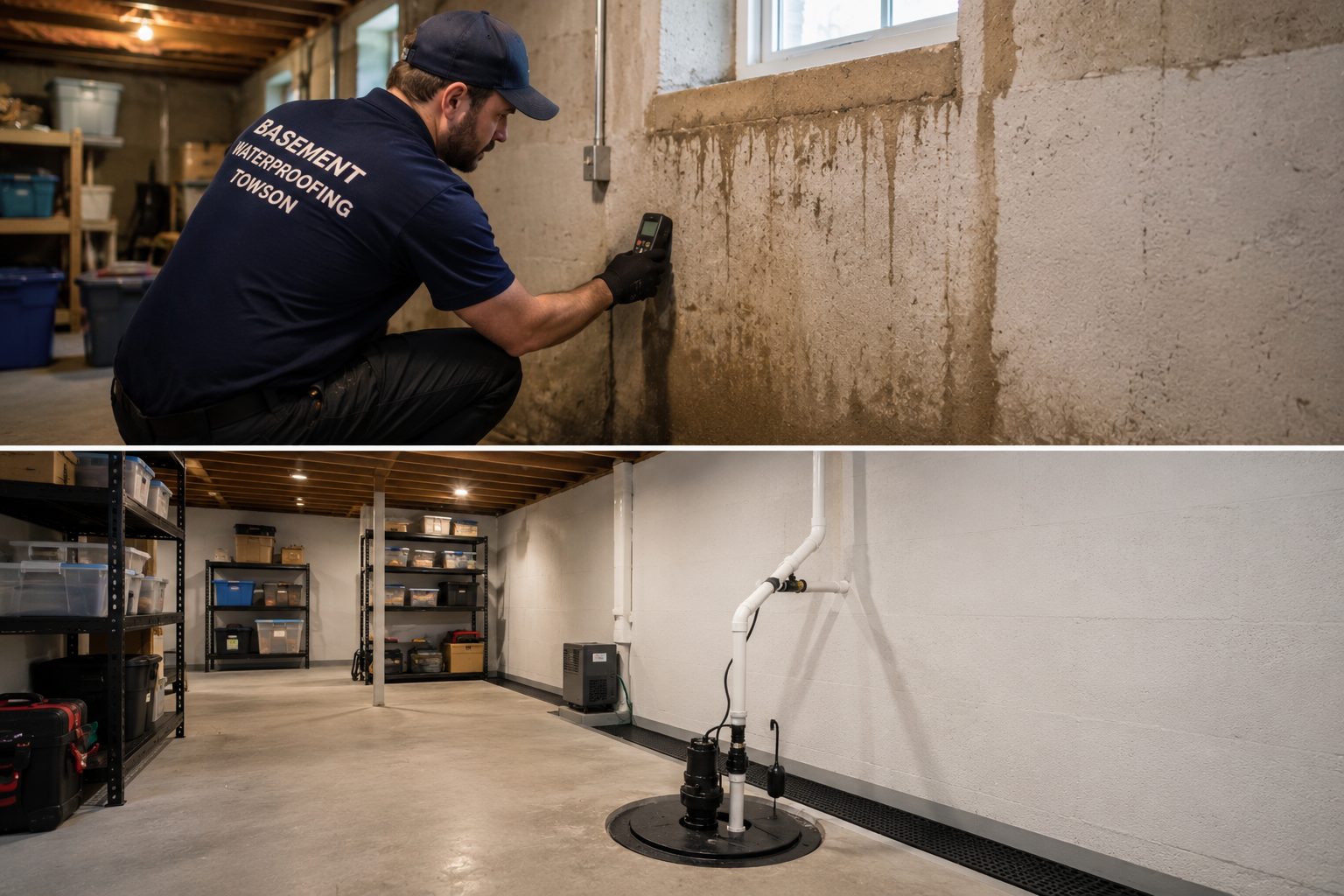
A pump needs adequate collection and discharge to work properly, so we consider the drainage feeding it and where the water exits.
If an aging pump is showing warning signs, planned replacement is often easier than discovering a failure during a major storm.
We explain basic testing and inspection steps that can help you identify pump problems before the next period of heavy rain.
Do not wait for a storm to find out whether an aging sump pump still works. Schedule an evaluation.
Free, no obligations
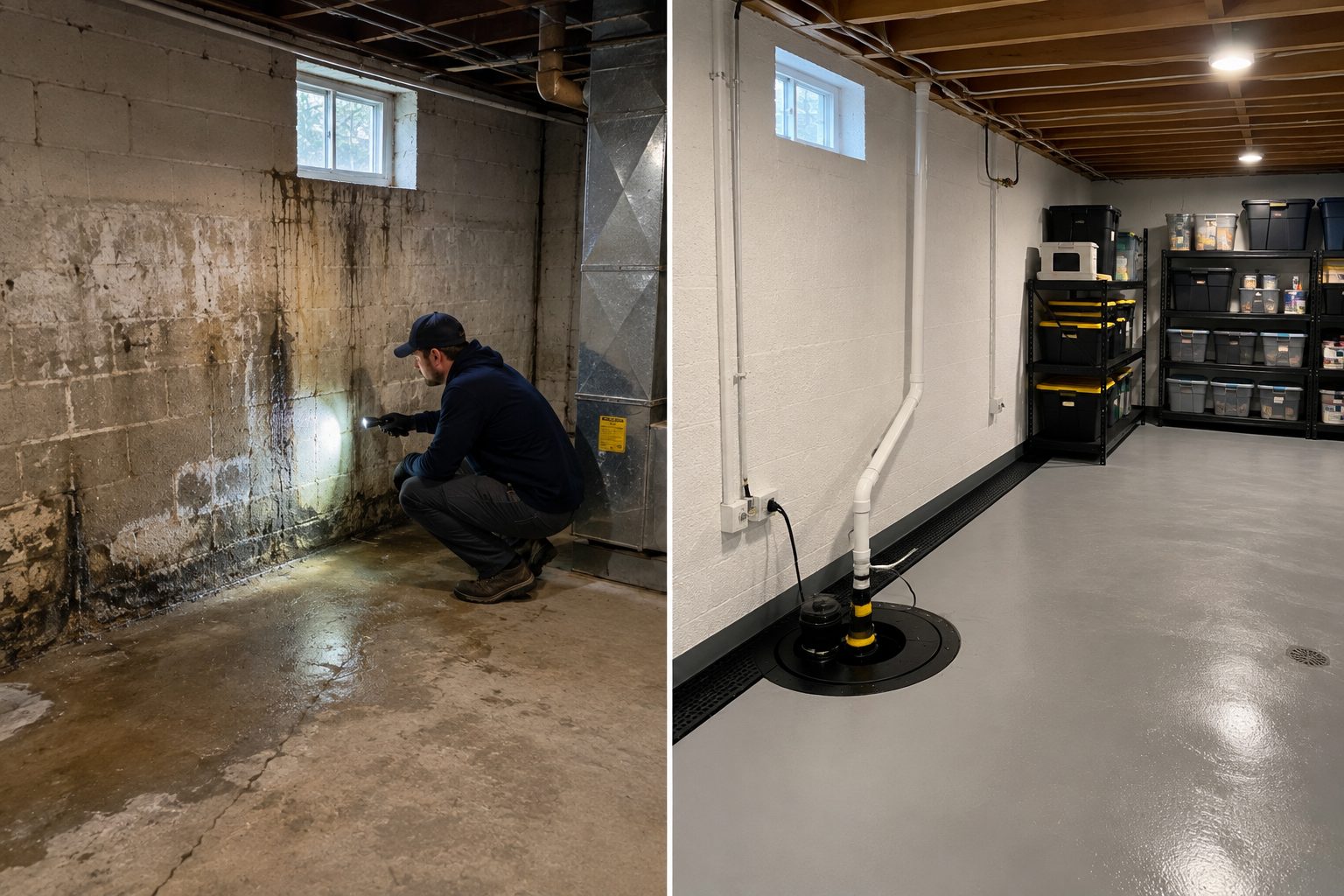
We inspect the pump, basin, drainage connections, discharge piping, check valve, and visible water conditions.
We select a pump setup based on expected water volume, lift, discharge route, and system design.
Existing components are prepared or a new basin is installed as required by the project scope.
The pump, check valve, and discharge connections are installed and operation is tested.
We show you how to recognize normal operation and which signs can indicate that service is needed.