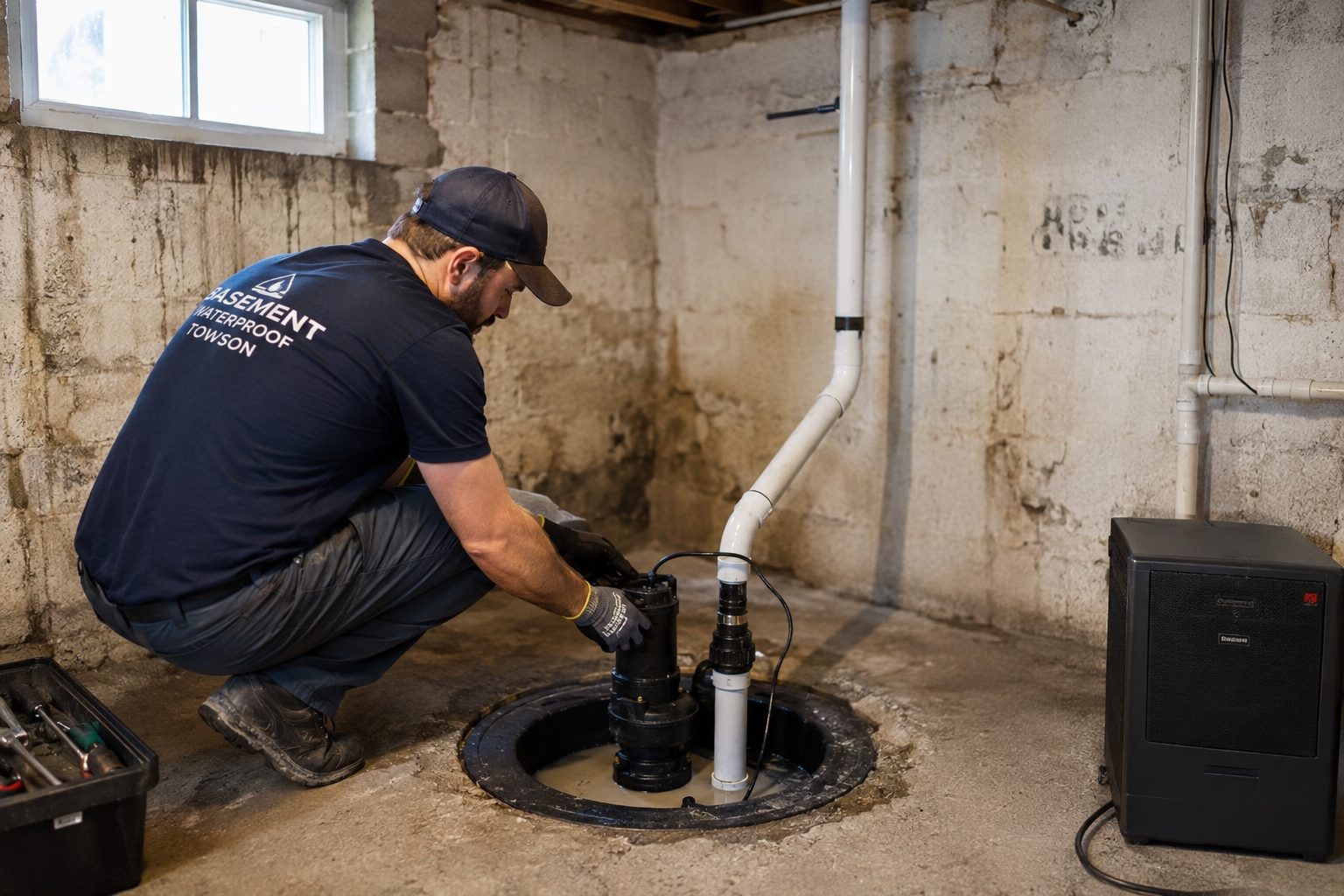
Control moisture beneath your home
Crawl Space Waterproofing
Get help with standing water, dampness, and crawl space moisture.
- Free, no-obligation estimates
- Local Baltimore-area team
- We find the source, not just the stain
Control moisture beneath your home
Get help with standing water, dampness, and crawl space moisture.
Crawl spaces are easy to overlook until there is standing water, a musty smell, damp insulation, condensation, or visible moisture on wood and masonry. Because air and moisture can move between a crawl space and the rooms above it, persistent dampness below the house can become more than an isolated inconvenience. The right repair starts by determining whether the main moisture source is groundwater, surface drainage, humid outdoor air, plumbing, foundation seepage, or several issues at once.
Basement Waterproofing Towson provides crawl space waterproofing and moisture-control work for homes throughout the Towson and Baltimore area. Depending on conditions, a repair can involve drainage, sump equipment, ground vapor barriers, sealing measures, and steps to reduce moisture entry. We focus on controlling the source rather than simply covering wet soil and hoping the space dries on its own.
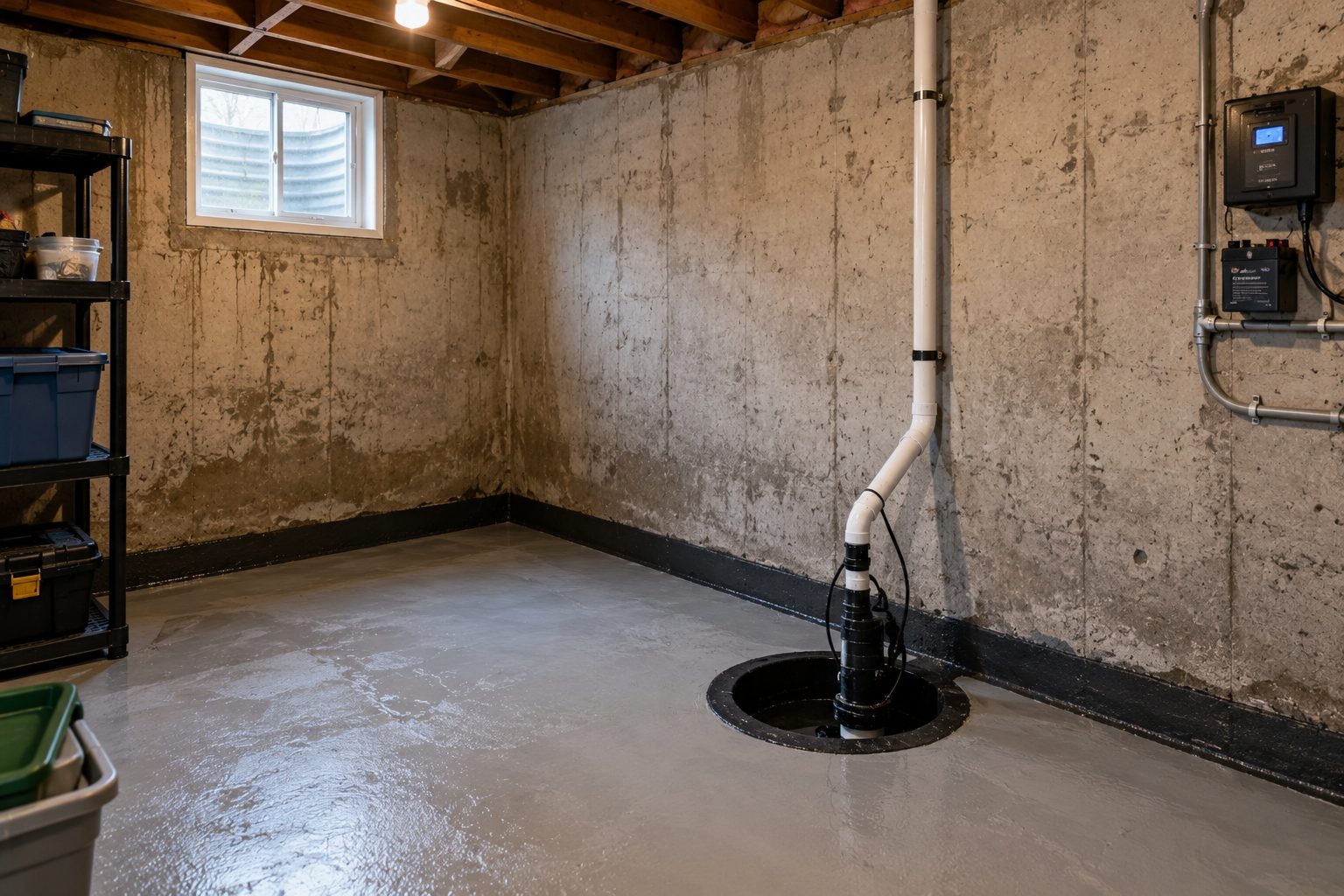
Crawl space waterproofing is most effective when water, ground vapor, and humidity are considered together. A barrier alone cannot solve ongoing standing water, and a sump pump alone may not address exposed soil releasing moisture into the space. We inspect the crawl space for water paths, low spots, foundation openings, damp materials, drainage conditions, and signs of recurring moisture. The repair plan is then built around the specific combination of problems present.
Low areas and foundation perimeters may need a controlled drainage path to move incoming water toward a sump or discharge point instead of allowing it to collect beneath the home.
Exposed soil can continually release moisture into the crawl space. A properly installed ground barrier can help limit that moisture movement when used as part of an appropriate overall system.
When groundwater or drainage collects below the crawl space, a sump system can provide a reliable discharge point. Pump sizing and placement depend on water volume and access.
Cracks, joints, vents, and masonry surfaces can contribute to crawl space moisture. We identify where liquid water is entering before recommending sealing or drainage measures.
After bulk water is controlled, humidity conditions can be reviewed so the crawl space is not left with persistent condensation or damp air.
| Service | Estimated Cost | Average |
|---|---|---|
| Basic moisture barrier work | $1,500-$4,500 | $3,000 |
| Drainage and sump improvements | $3,000-$8,000 | $5,500 |
| Comprehensive crawl space waterproofing | $5,000-$15,000 | $9,000 |
Actual pricing depends on crawl space size and height, access, standing water, drainage length, sump needs, debris removal, foundation conditions, and the extent of moisture-control work.
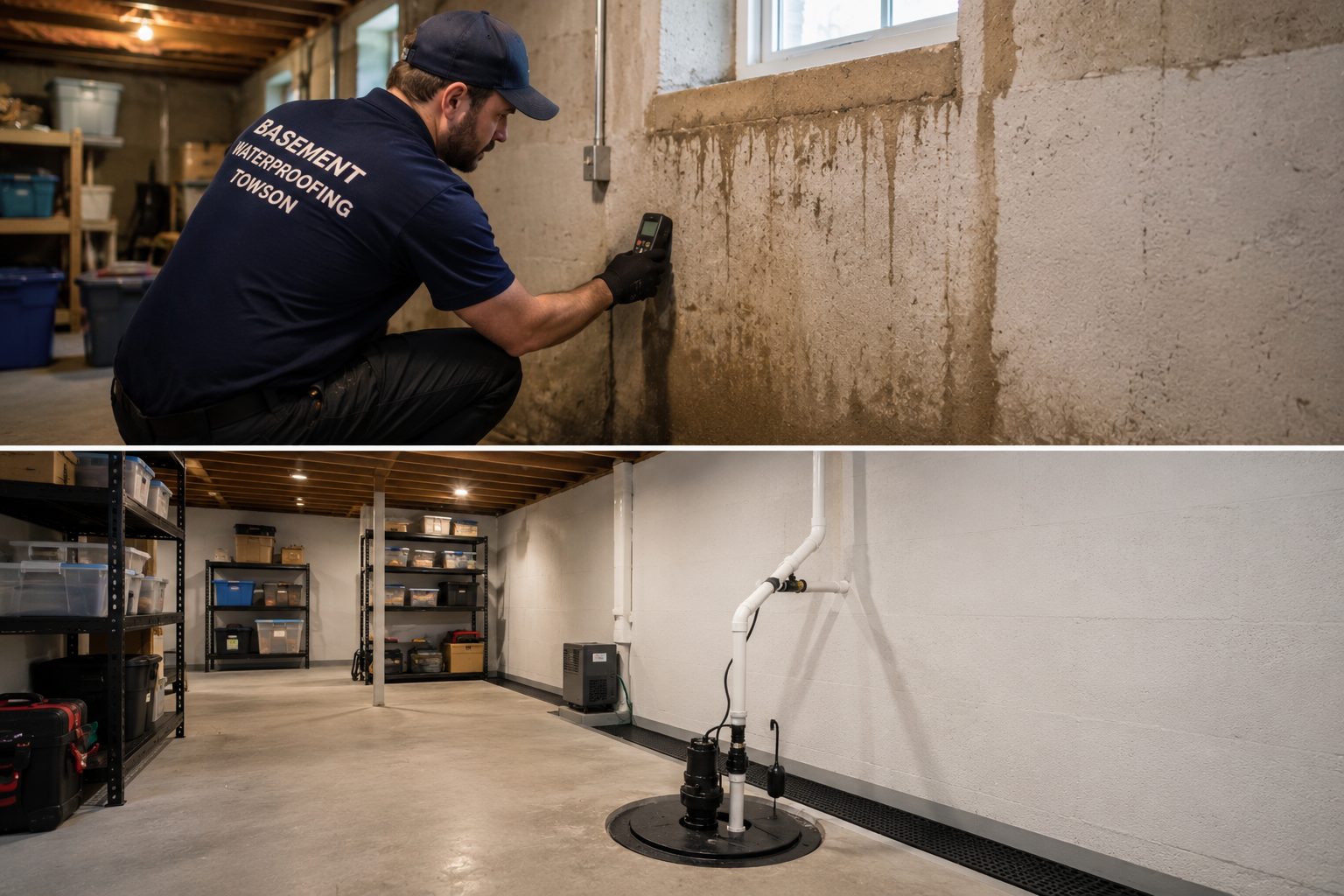
Foundation walls, drainage, wood moisture, low spots, vents, plumbing, and water marks all provide clues about the source.
Standing water should be controlled before moisture barriers and humidity measures are expected to perform properly.
Crawl spaces vary widely in height and access, so we plan installation around the actual working conditions beneath the home.
Musty odors, wet soil, or standing water beneath the house are worth investigating before moisture spreads.
Free, no obligations
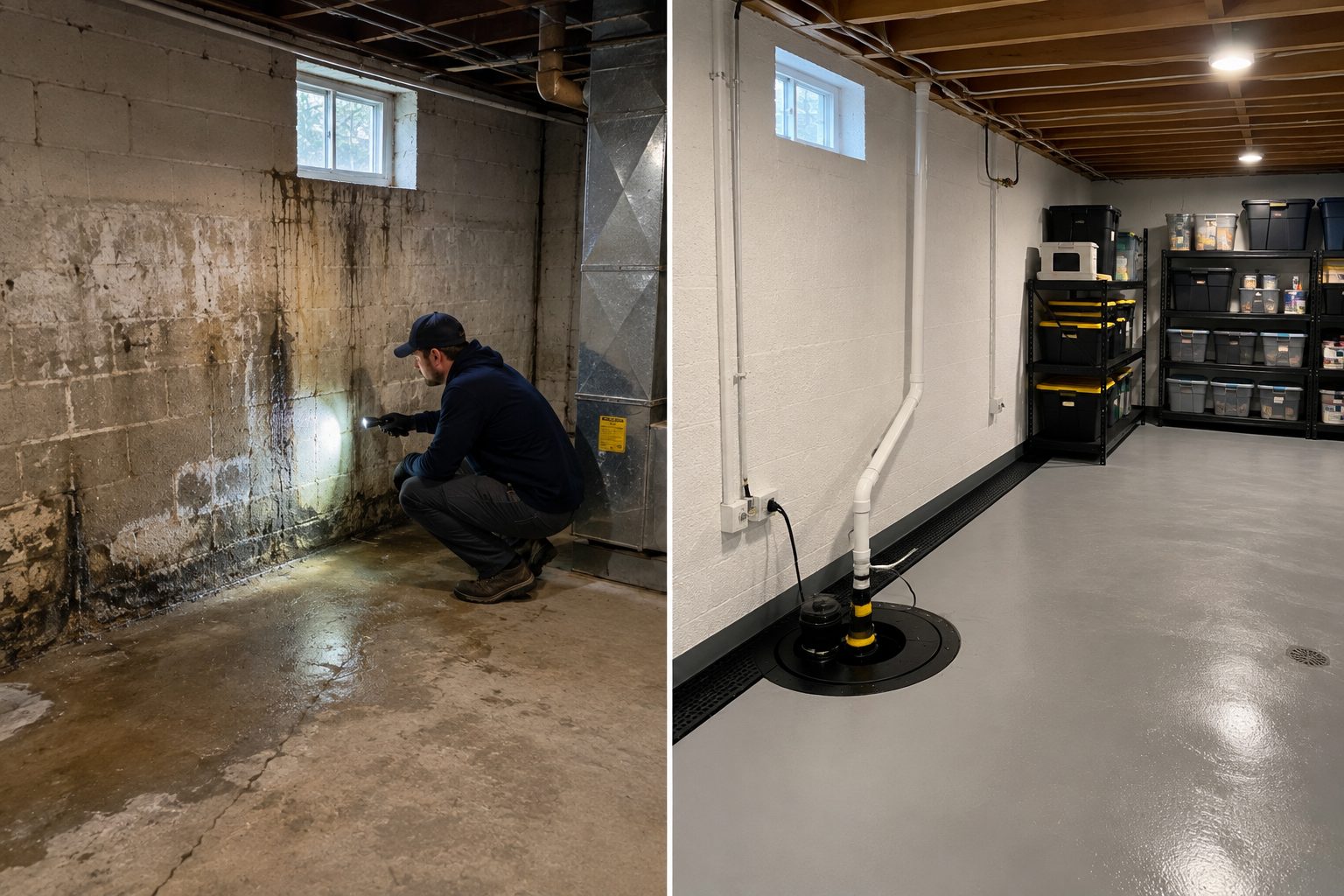
We look for standing water, damp soil, seepage, plumbing concerns, condensation, and exterior drainage clues.
Where bulk water is present, we determine how drainage can move it toward an appropriate sump or discharge point.
A vapor barrier or related moisture-control layer may be installed after water-management needs are addressed.
Accessible cracks, openings, or foundation seepage areas are treated as required by the agreed project scope.
We explain maintenance considerations and any humidity conditions that should continue to be monitored.